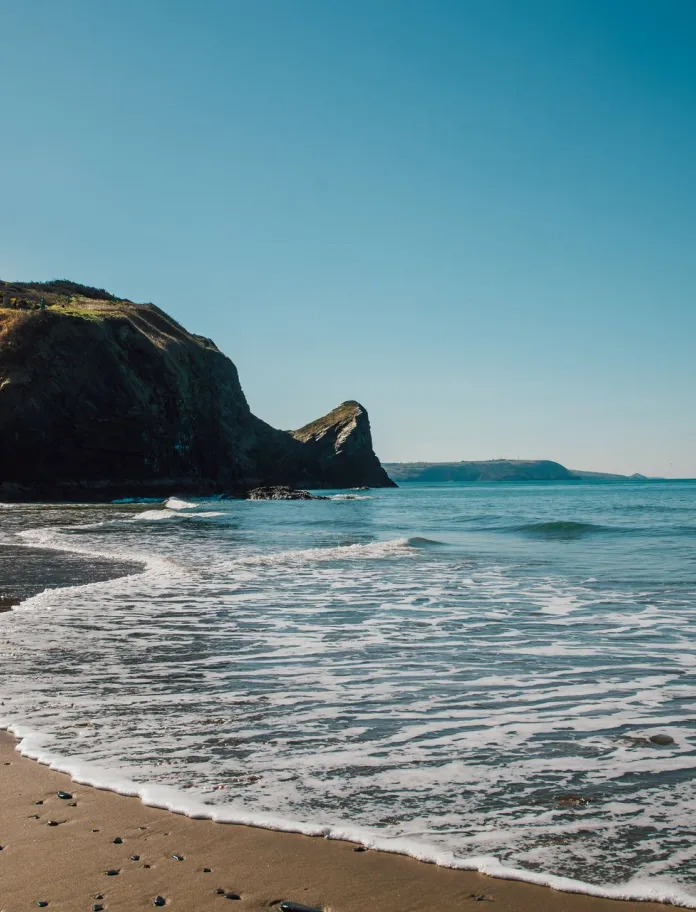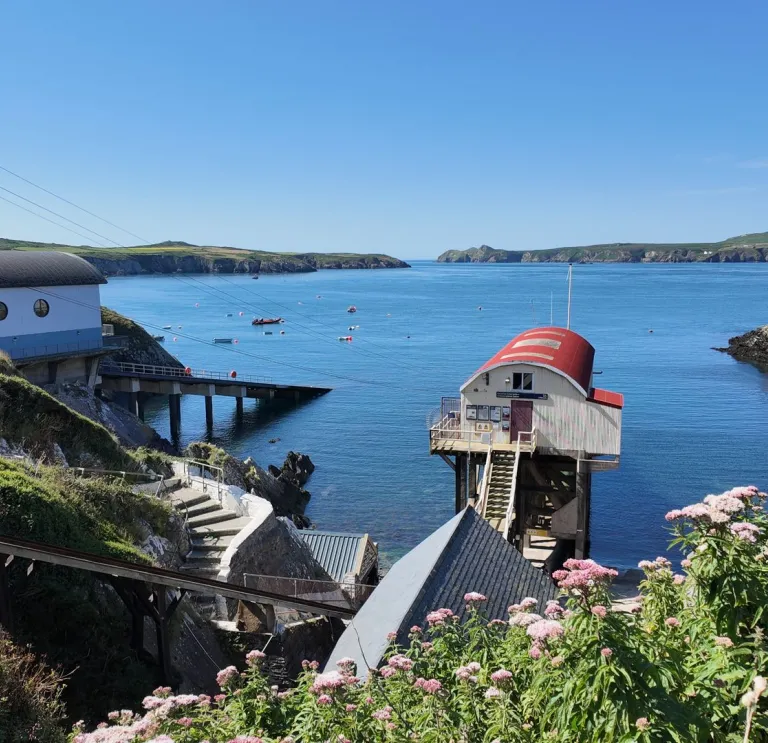
As a country surrounded by the ocean on three sides, creating over 1,680 miles (2,700km) of picturesque coastline, it makes sense that Wales has played a role in improving maritime safety standards.
But it might come as a surprise to discover just how much our small nation has contributed to the sector, with the ripples from Welsh innovations and outreach programmes being felt by coastal communities right across the globe.
From developing the first inshore lifeboat to training rescue crews beyond our borders, here’s the history of Wales’ efforts to help save lives at sea.
A pioneering school on the seashore
Wales owes much of its pedigree within the sea safety sphere to one unique school located on the country’s southern shoreline.
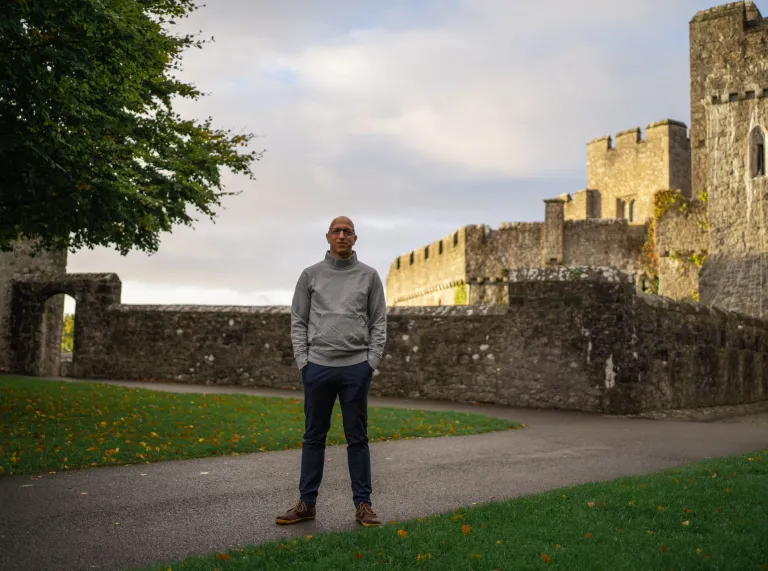
United World College of the Atlantic (UWC Atlantic), still often referred to by its original name of Atlantic College, was founded in 1962 by the German educationalist Kurt Hahn. Mr Hahn envisioned creating a new type of educational institution that brought together students from different countries in an effort to bridge the entrenched cultural divides that existed in the aftermath of the second world war.
However, it wasn’t just the school’s multi-national student body – or the fact the school was housed in an 11th-century castle(!) – that made it stand out amongst existing educational facilities in Wales.
The school, located next to a rocky beach in the small village of St Donats, was one of the first in the world to trial what is today known as the International Baccalaureate Diploma Programme, an educational programme, equivalent to standard A-Levels, that places a strong emphasis on physical activity and community support work alongside traditional academia.
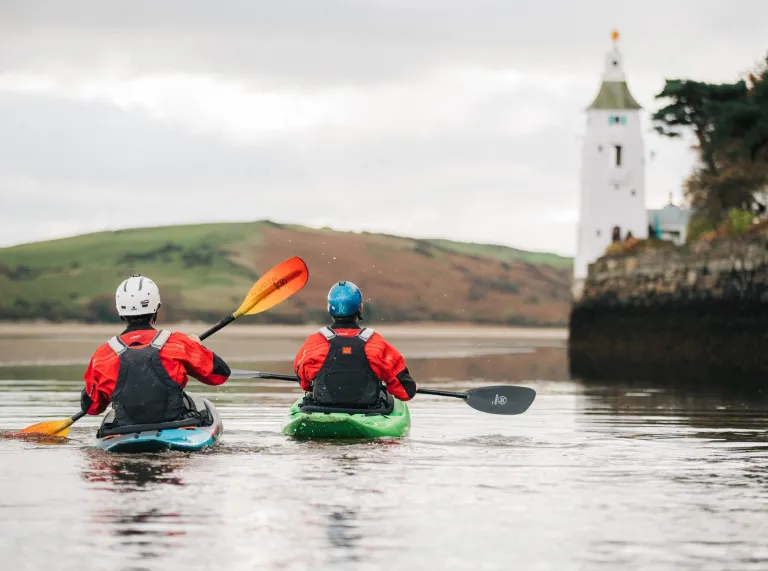
With the school situated within splash range of the Bristol Channel, many of the college’s sporting activities revolved around the sea, from sailing to swimming. To keep students safe on the water, the school set up a makeshift lifeboat station, manned by the college’s staff and students, within its grounds – an initiative that would pave the way for a breakthrough in boating design.
The RIB Boat
It was not long after the school opened in 1962 that a team of staff and students, under the guidance of Atlantic College’s founding headmaster, former Naval Rear Admiral Desmond Hoare, began work on creating a life saving craft adapted to the rocky Welsh coastline.
The team designed a prototype of a boat with a solid base but inflatable edges, ensuring it was lightweight and easy to launch, but sturdy enough to withstand potential scrapes from the rocks lining the craggy inlet the school backed onto. The team worked for several years on constructing and rigorously testing their new craft, with the final design successfully patented by Mr Hoare.
However, rather than earning royalties from the design of this pioneering boat, the school’s headmaster sold the patent to the Royal National Lifeboat Institution (RNLI), the largest of the lifeboat services operating around the coasts of the United Kingdom, for the princely sum of one pound. He never cashed the check, which remains on display at the college.
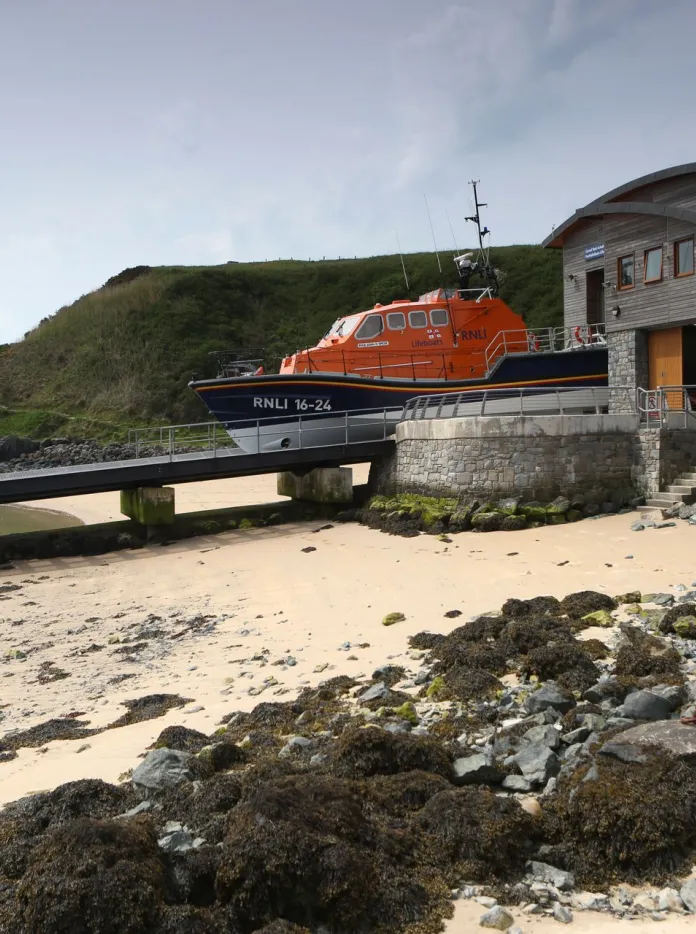
The RIB lifeboat, as the craft is now known, is today the primary vessel used by the RNLI for inshore rescue, and is responsible for saving hundreds of lives every year along Britain’s coasts.
A boat in a box
Not content with aiding in developments to save lives along British coastlines, Atlantic College students have, in more recent times, set their sights on aiding coastal communities overseas.
This new venture began when former Atlantic College student Robin Jenkins was invited to visit Japan in 2014 by the Tohoku Future Lab, a Japanese organisation focused on post-tsunami community rebuilding.
During the trip, Robin visited the coastal city of Kamaishi, which was devastated by the 2011 Tōhoku Earthquake and Tsunami. Here he heard harrowing stories from local people who, after the disaster, recalled hearing the cries of loved ones who found themselves stranded amidst debris in the depths of the ocean. Though Japan has a centralised coastguard, a lack of a localised form of rescue service meant the residents were powerless to save those swept out to sea.
It was these stories that prompted Robin to sketch out an idea for an adaptable, low-cost lifeboat station on the back of an air sickness bag during his flight home from Japan. On arriving back in the UK, he returned to Atlantic College, where, with the help of students, he brought his idea to life: a lifeboat station contained within a single shipping container that could be delivered to coastal communities in need.
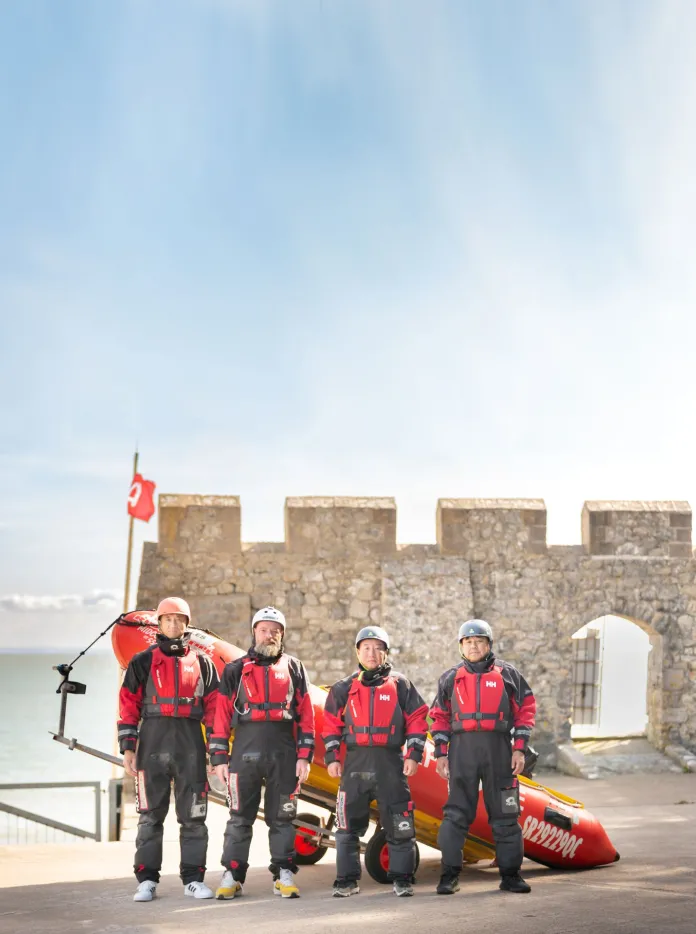
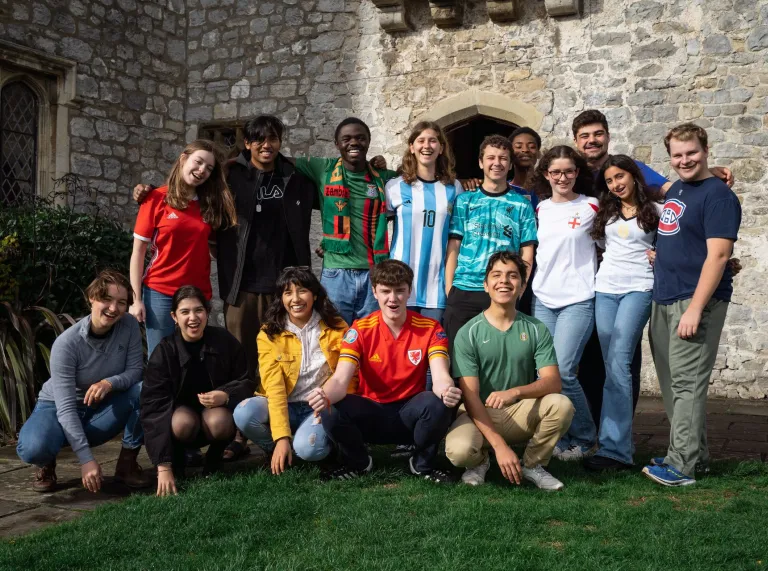
In 2016, Robin and a group of UWC Atlantic students travelled to Japan to deliver the first shipping container lifeboat station to Kamaishi, staying in the city for a month to help train local volunteers to become lifeboat crews. It is hoped Kamaishi’s lifeboat in a box, christened Wales Go! by the local community, will be the first of many such lifeboat stations around the world, with plans already in place for a second station in Maputo, the capital of Mozambique.
A charity working to end drowning
Since its conception in 2014, the lifeboat in a box initiative has evolved into the multi-faceted charity Atlantic Pacific, an organisation dedicated to preventing death by drowning.
Alongside supplying lifeboat stations in shipping containers to coastal communities in need, the charity runs courses on sea safety and first aid, while also undertaking community outreach programmes to educate young people on proper open water safety. The charity, which is headquartered in the Welsh town of Llantwit Major (a pebble’s throw from the UWC Atlantic College site), runs their courses in Wales, London and Tokyo.
In 2025, the charity also hosted the One Sea, One Standard event. The three-day conference, held at the Atlantic College site, was the first summit of its kind, bringing together over a dozen NGOs operating in the Mediterranean, including MSF, Sea-Watch, and SOS Méditerranée, to discuss the creation of shared safety standards for civilian sea rescue and build collaboration across organisations that risk so much to protect those in peril on the ocean.
Welsh figures involved in sea rescue
While Welsh organisations lead the way in developing methods to improve sea safety in the UK and around the world, there are also brave individuals who have written themselves into the country’s legacy of saving lives at sea.
The first female RNLI crew member was based in Wales. Elizabeth Hostvedt, from Norway, was 18 years old when she joined the crew of the Atlantic College Lifeboat Station while a student at the school in 1969. However, accounts of women saving lives in Welsh waters date back at least another 200 years, with a notable story involving Margaret Williams, who lived on a farm near St Davids in Pembrokeshire, single-handedly rowing out to save a crew of Swedish sailors shipwrecked on rocks off the country’s west coast.
Then there's the legendary Richard “Dic” Evans, who served as a crew member at Moelfre Lifeboat Station, on the isle of Ynys Môn (Anglesey), for half a century. The hallowed helmsman is one of only a handful of people to have received two gold medals for bravery from the RNLI, the first, in 1959, for saving eight men from a sinking ship caught in a major storm.
Today, a statue of Dic stands overlooking the sea a short way along the coast from the lifeboat station he volunteered at for five decades. The monument serves as a permanent reminder of the brave men and women who keep the beautiful Welsh coastline secure, and the organisations working to make the world's seas safer for all.