It’s funny that, for two countries that couldn’t be much further apart (some 11,500 miles/18,500km as the crow flies), Wales and New Zealand are often compared to one another.
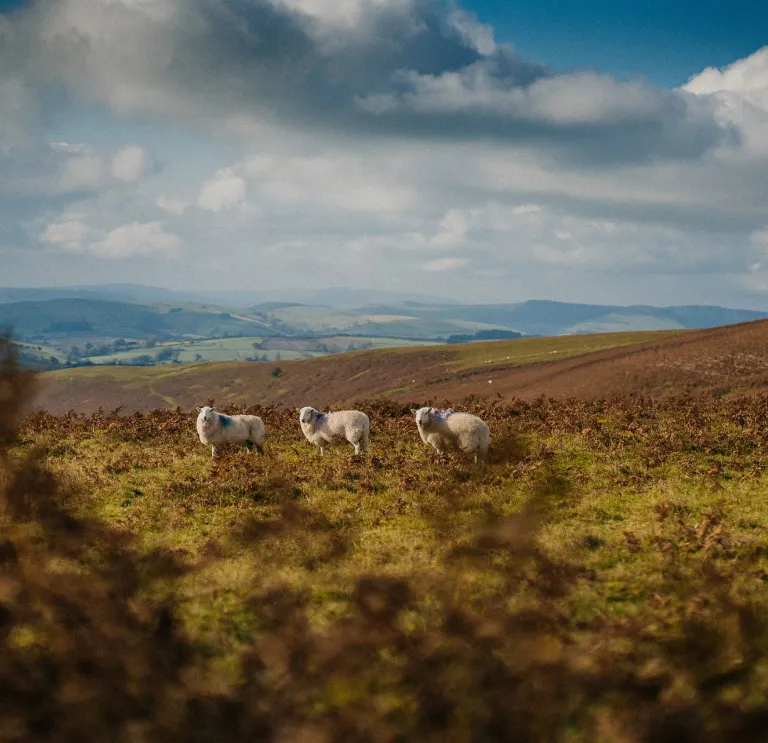
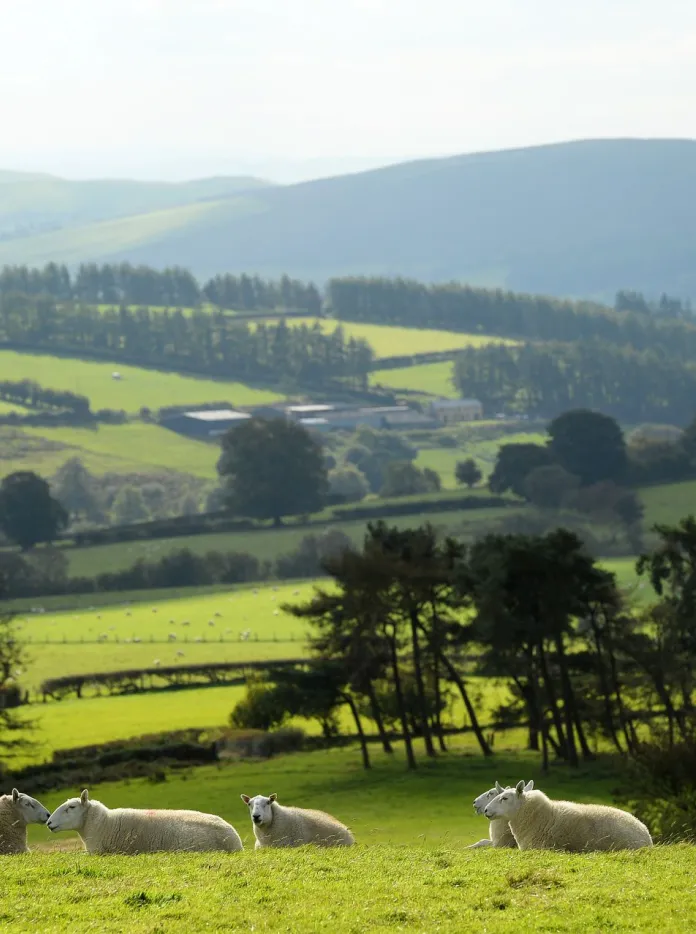
This could be down to a perceived similarity in landscape, with both countries boasting pristine green spaces featuring rolling hills and glorious sections of coastline. Alternatively, it might be a result of a shared, long-standing tradition of sheep farming, with sheep outnumbering people in both countries.
However, beneath these surface-level comparisons, deeper, stronger connections between our two nations loom large, whether that’s the fact New Zealand is home to a handful of long-established Welsh social groups or the way that Wales played a role in aiding one legendary Kiwi mountaineer with his most famous ascent.
Here’s a list of ties webbing together the countries of Wales and New Zealand.
Twin Milfords
Welsh people were among some of the first Europeans to travel to New Zealand. The earliest Welshman to set foot on the islands is thought to have been David Samwell, who served as a surgeon on board the ship of Captain James Cook (the first recorded European to dock in New Zealand) during his third voyage to the islands in 1777. As well as being a doctor, Samwell was a literary man who developed a strong interest in the Māori language. His transcriptions of a handful of Māori chants, made during the two weeks he spent docked in New Zealand, serve as the earliest substantial written account of the language.
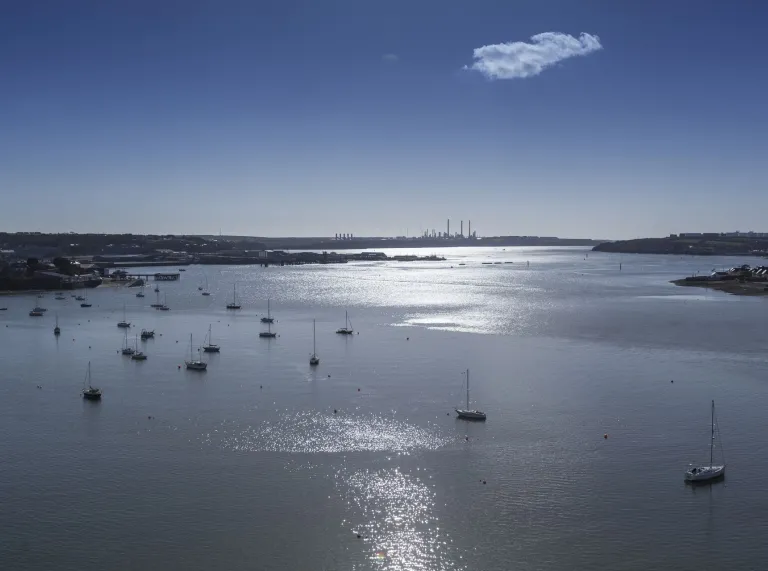
Half a century later, another Welshman, John Grono, travelled to New Zealand from Australia while hunting seals for their skins. During this voyage he stopped at a fjord, which had not been previously mapped by any Europeans. He named it Milford Sound, after the Milford Haven waterway in Pembrokeshire in West Wales. Today Milford Sound, or Piopiotahi, as it is known in Māori, is one of New Zealand’s premier tourist sites.
Kiwis with Cymru connections
Given the percentage of Welsh people among New Zealand’s population has always been relatively low (with a little under 6,000 people in New Zealand identifying as Welsh today), it may come as a surprise to learn some of New Zealand’s biggest stars have strong connections to Cymru (Wales).
A prime example is the filmstar Russel Crowe. The actor, who has appeared in blockbuster movies including Gladiator, A Beautiful Mind and The Nice Guys, has a direct link to Wales through his grandfather, who was born in Wrexham, North Wales. Rugby fans may also remember Shane Howarth, who, uniquely, played for both the New Zealand and Welsh national teams. (Shane is also memorable for being at the centre of a tabloid storm in the early 2000s, when it was reported his claimed Welsh ancestry, which he believed came through his grandfather, was not genuine. Shane has always denied the reports and continues to reiterate his belief that he is Welsh, ensuring the former full-back remains a popular figure with Welsh rugby fans.)
Though the Welsh diaspora in New Zealand is not as large as in other countries, including neighbouring Australia, the nation is home to a number of historic Welsh-focused social societies. These include the Welsh Society of Wellington, founded in 1907, and the Welsh Cambrian Society of Canterbury, which, having been established in 1890, is the country’s oldest Welsh society. These groups host regular events, such as dinners and musical evenings, that deliver a dose of Cymraeg culture to Welsh expats and local New Zealanders alike.
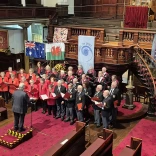
Another organisation with Welsh connections is the Auckland-based choir, Vocālis. Choral singing has been a popular pastime in Wales for generations, and Vocālis, originally known as Auckland Welsh Choir, was set up by Welsh expats – primarily as a way to show support to the Welsh rugby team on their visit to New Zealand in 1988. The choir still performs an annual concert to mark St David’s Day (the feast day of the patron saint of Wales) in honour of the organisation’s Welsh roots.
An obsession with the oval ball
The sport of rugby is something of a national obsession in Wales, and this passion for the game is replicated in New Zealand. In both countries, the sport has become entwined into the nation’s cultural identity, and is used as a means to showcase native culture (Welsh and Māori respectively) and demonstrate national pride.
The popularity of the sport has been fuelled by both countries' successes at international level, with New Zealand winning the Rugby World Cup on three occasions, most recently in 2015, while Wales has been crowned champions of Europe during the modern iteration of the Six Nations tournament on six occasions.


The two teams have directly faced off against one another numerous times, including at the 2019 World Cup, where New Zealand beat Wales to take third place in the tournament (with Wales finishing fourth). However, the most famous clash between the two undoubtedly came in Cardiff in 1905, when, in response to New Zealand’s pre-match haka (a ceremonial Māori dance the New Zealand team perform before each international match), the Welsh team belted out a rendition of Hen Wlad Fy Nhadau, the now de-factor national anthem of Wales. This marked the first time a national anthem had ever been sung before an international sporting match, something that has become common practice around the world today.
Protecting native tongues
Wales and New Zealand share a connection when it comes to communication. While both countries use English as an official language, they also have a second national tongue – Cymraeg (Welsh) and Māori, respectively.
Despite both languages predating the arrival of English in each country, the two languages have also faced periods of intense suppression and persecution, with children punished for speaking any language other than English in schools, and bans placed on Cymraeg and Māori being used within civic settings, like court and government proceedings.
Thankfully, both native languages have enjoyed a renaissance in recent years, particularly in Wales, where around a quarter of the population can now speak Cymraeg. Aiming to replicate Wales’ success in this sector, government and academic bodies in New Zealand regularly visit Wales to learn about the techniques and initiatives the country is using to boost bilingualism.
These efforts have ultimately led to the creation of a formal partnership between Cardiff University and the University of Waikato, focused on furthering skill sharing around the topic. This partnership has also generated cultural exchange opportunities, such as the Māori-Cymraeg Song Hub 2024 project, which took a selection of Welsh musicians to New Zealand to collaborate with Māori artists.
A legendary summitter’s visit to Snowdonia
One of the great New Zealand figures, Edmund Hillary is renowned for being the first person to complete a recorded summit of Mt Everest, along with his Nepalese-Indian climbing partner Tenzing Norgay, in 1953.
Interestingly, rather than preparing for this famous ascent on a neighbouring Himalayan mountain, Hillary and his team chose instead to head to Wales, where they sharpened their skills on Yr Wyddfa (Snowdon), a mountain in Eryri (Snowdonia) National Park. The climbers spent roughly two weeks on Wales’ highest peak, testing their equipment and practicing climbing maneuvers, before embarking on their journey to Everest.
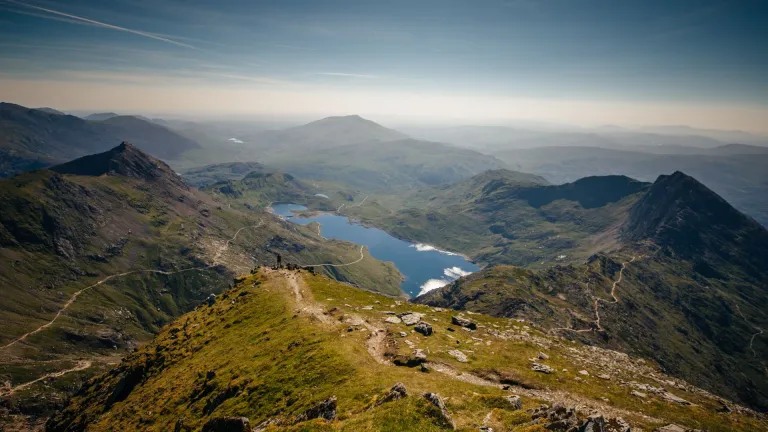
During this final training camp in Wales, Hillary and the rest of the team stayed at the Pen-y-Gwryd Hotel at the base of Yr Wyddfa. The property has since become the spiritual home of the expedition, and, in the years following their successful ascent of Everest, the climbers have regularly returned to the hotel together to toast their achievement. As a consequence, the hotel’s bar is dotted with memorabilia from the legendary ascent, and the scrawled signatures of the team, including Hillary and Norgay, are visible on the bar’s ceiling.
Bar exchange
Both the Welsh and the Kiwis are known for being gregarious sorts of people, who enjoy a night out on the town. It is perhaps in acknowledgement of this shared fondness for frivolity that each country has a bar themed after the other located in its respective capital city.
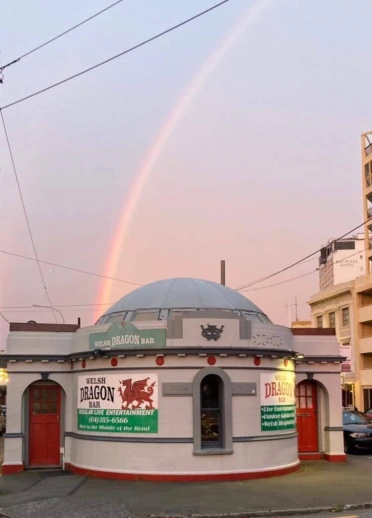
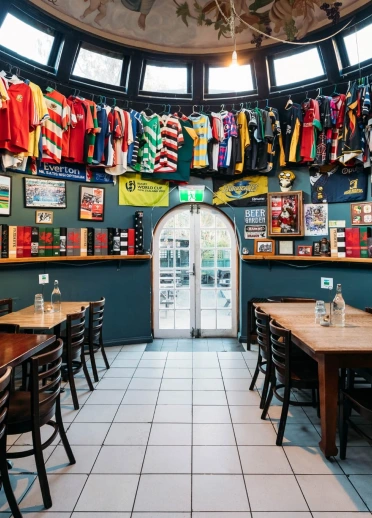
New Zealand-themed bar Kiwis, in Cardiff, has a history dating back to the 1980s and remains a go-to spot in the city centre for catching international rugby matches. Meanwhile, the Welsh Dragon Bar, in Wellington, is bedecked in Welsh flags and keeps bottles of Welsh Penderyn whisky on the shelves. It also holds the distinction of being the only Welsh-themed bar in the southern hemisphere.
So whether you say “Iechyd da!” (in Cymraeg) or “Kia ora” (in Māori), we’ll toast to a lasting friendship between our nations.