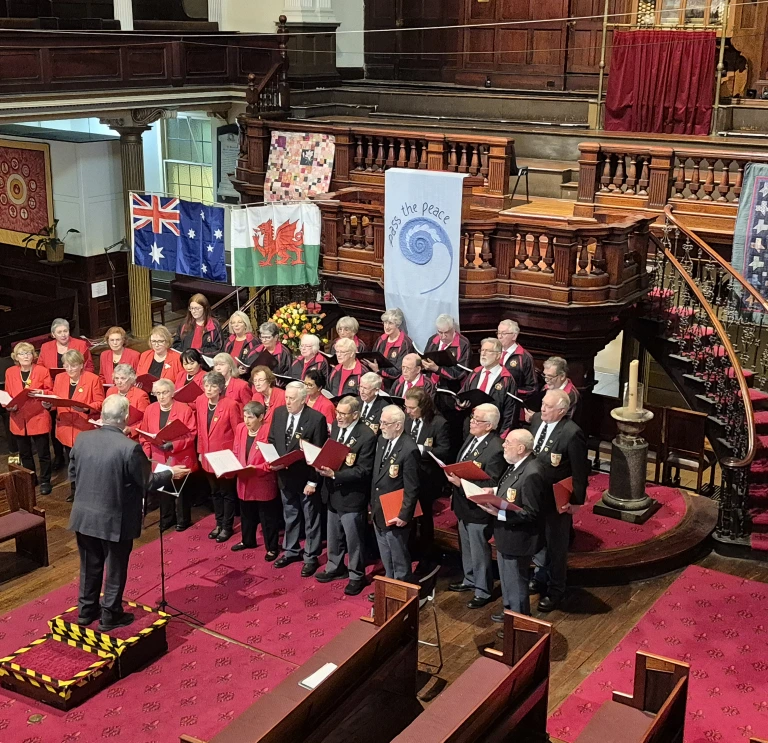
Any drivers taking a scenic road trip along the A43 will be able to spot signs pointing the way to both Cardiff and Swansea, the names of two of the largest cities in Wales. But the A43 isn’t actually a road in Wales. Rather it’s a highway in Australia, which passes the quiet coastal towns of Cardiff and Swansea as it winds its way up a section of coastline in the state of New South Wales.
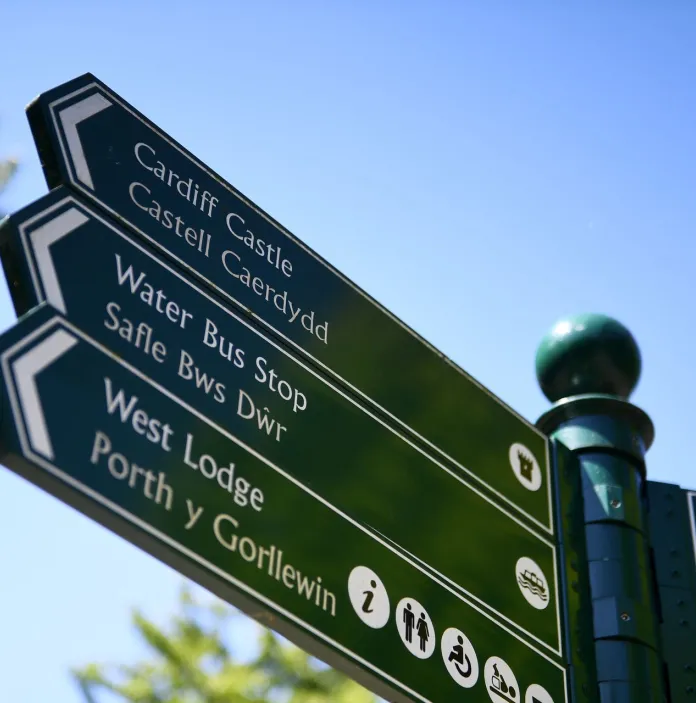
These duplicate destination names hint at a long shared history between Wales and Australia, and, despite the two nations being more than 8,500 miles (13,700km) apart, further connections can be found in a surprising selection of places, from conjoined cultural events to shared culinary tastes.
Here’s a selection of some of the key links, both old and new, webbing together the countries of Wales and Australia.
Going for gold
The Welsh were among the first European settlers to arrive in Australia, initially as prisoners facing penal deportation from the UK, but later as willing workers seeking prosperity in Australia’s mining industry that began grinding into gear in the 19th century.
During the British industrial revolution in the 18th century, Wales emerged as a world leader when it came to the mining and smelting of copper, and skilled Welsh workers were recruited to help establish large-scale mines in Australia. However, an even larger draw came courtesy of the country’s vast gold reserves, which enticed many Welsh fortune-seekers to undertake the long voyage east. Some of them succeeded in their pursuits, with a Welshman responsible for financing the creation of the Gwalia Gold Mine (Gwalia is an archaic Welsh name for Wales), which grew to become one of the country’s deepest underground gold mines.
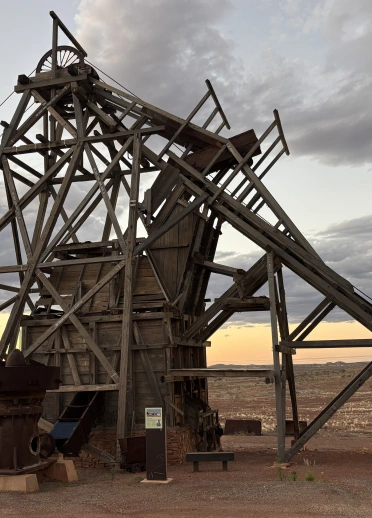
![The rustic exterior of the former Shift Bosses House, located in Gwalia, Australia. [Caption] Gwalia, Australia](/sites/wales/files/styles/o_articleimagegroup__portrait__2_1x/public/media-library/2026-10/IMG_4339.jpeg.webp?itok=WrfgMDjG)
It was these 19th century arrivals that were responsible for christening newly-created settlements with familiar names from back home, like Cardiff, Swansea and Neath. Fittingly, many of these spots are situated within the state of New South Wales, named by Captain James Cook – supposedly due to the coast resembling Wales’ own – during his first voyage to Australia in 1770.
Interestingly, along with becoming thriving Australian communities, a number of towns with Welsh roots, including Gwalia and Llanelly, are now prominent examples of the country’s famous gold-rush-era ghost towns, which draw a steady stream of tourists.
Cultural touchstones
Today, there are tens of thousands of people who were born in Wales residing in Australia (and many more with Welsh ancestry!). Though far from home, these expats have ample opportunity to engage in a little Welsh culture while living down under.
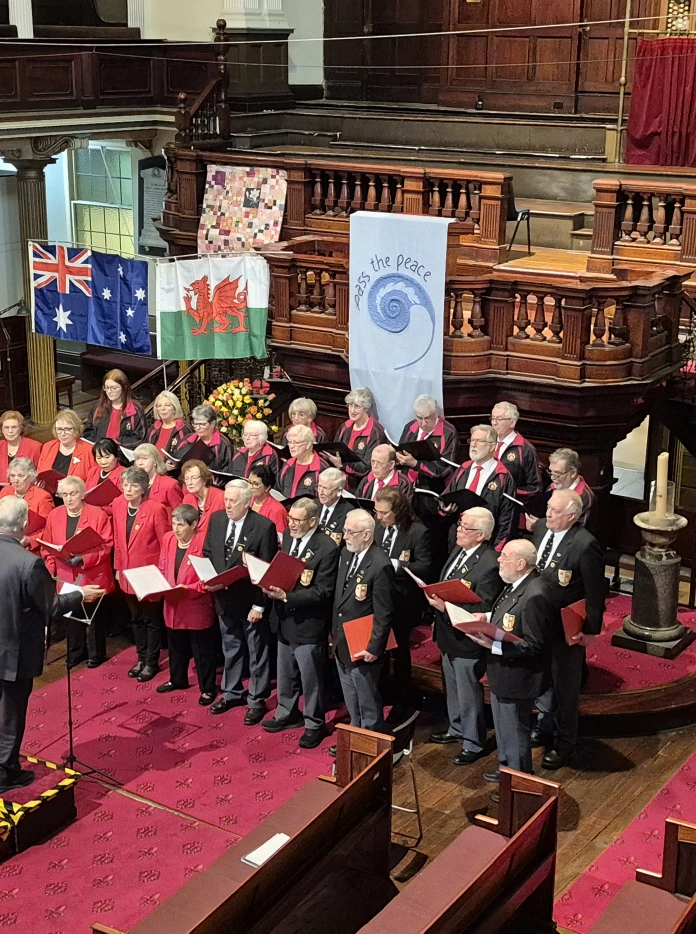
There are a number of Welsh social societies dotted around the country, including the Sydney Welsh Society, which has been active since at least the 1930s, and the Welsh Society of Western Australia, based in Perth. These societies host regular meet-ups for the country’s Welsh diaspora (as well as those simply interested in the country), including traditional events like gymanfa ganu, where Welsh hymns are sung, and St David’s Day dinners, celebrating the patron saint of Wales.
Along with being home to its own Welsh society and dedicated Welsh choir (an enduring staple of Welsh culture), the city of Sydney also hosts an annual eisteddfod festival. Eisteddfodau are a type of cultural gathering, held in Wales since the 12th century, involving contests in a variety of disciplines, from poetry to dance. Sydney’s version of the event, which began in 1933, sees aspiring singers, actors, choirs and orchestras showcasing their talents during hundreds of performances spread across some of the city’s premier venues.
Cymru in the genes
Wales is known as the Land of Song, and has produced a number of legendary singers, from Sir Tom Jones to Bonnie Tyler. However, it turns out Wales has ties to some of Australia’s greatest vocalists too.
Chief among them is Kylie Minogue, the pop superstar, whose mother moved to Australia from Wales at the age of 10. Then there’s Olivia Newton John, one of the best-selling singers of all time – immortalised for her performance as Sandy in Grease – who also has Welsh connections through her father, Brinley Newton-John, who was born in Cardiff.
Aussies with Welsh heritage have also played a significant role in shaping the politics of the country. Chief Justice Samuel Griffith, who served as the inaugural Chief Justice of the High Court of Australia (as well as being the principal author of the Australian Constitution!), was born in Wales, travelling to Australia during childhood.
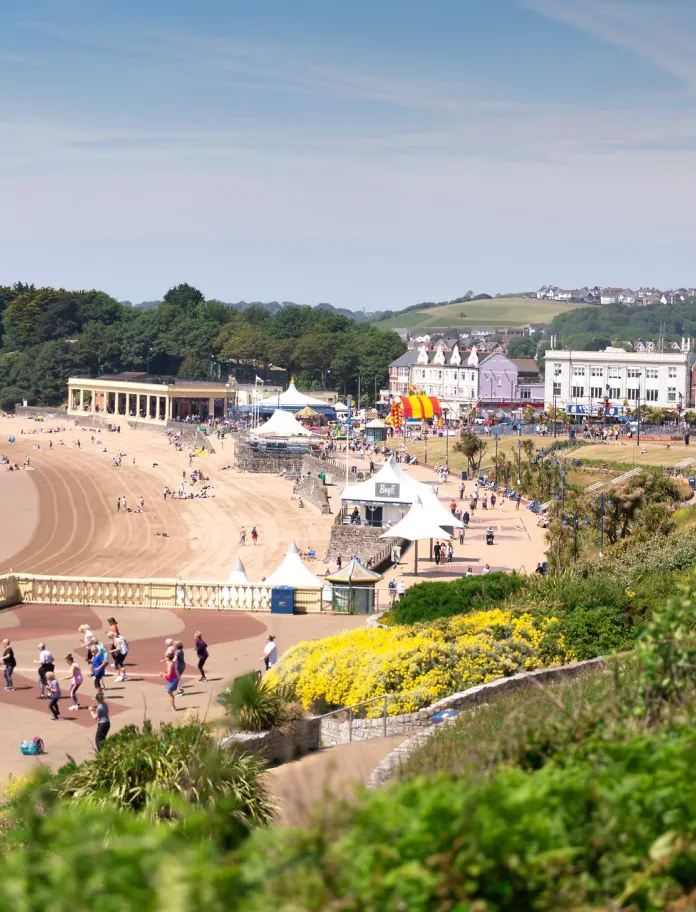
Additionally, at least two Australian prime ministers have boasted Welsh connections. William Morris Hughes, the country’s seventh prime minister who led Australia during the first world war, was born in London to Welsh parents, while Julia Gillard, the first female prime minister of Australia, was born in Barry, South Wales. Mrs Gillard has spoken about how her early years in a working-class household in Wales significantly shaped her politics, with Welsh politician Aneurin Bevan, chief architect of the British NHS, a particular figure of inspiration.
Rugby rivals
Wales and Australia are two titans in the world of rugby union, with the two teams facing off in numerous Rugby World Cups, including during the 2023 edition of the contest in France. Australia also won one of their two World Cup titles in the sport in the Welsh capital Cardiff, which hosted the final of the 1999 tournament.


A number of prominent Aussie rugby players have enjoyed stints playing for some of Wales’ regional sides, including Matt Cockbain, a 1999 World Cup winner with Australia who spent time playing for Cardiff, and David John Lyons, the explosive ball-carrier who played as a number eight for the Australian national team and, later in his career, joined the Scarlets, based in Llanelli, West Wales. A number of well-known Welsh rugby players have also plied their trade in Australia, including Jamie Roberts and Jonathan "Jiffy" Davies.
A delightful double act
Various collaborations take place between institutions in Wales and Australia, spanning science and the arts.
A notable recent crossover was undertaken by the National Dance Company Wales, who, as part of a wider cultural exchange programme between the UK and Australia, invited acclaimed Australian choreographer Melanie Lane to help produce a new contemporary dance show. The piece, named Skinners, delved into the impact of technology on the human experience and toured around Wales and the rest of the UK.
In addition to this project, the Welsh dance outfit also engaged in a digital cultural exchange with Bangarra Dance Theatre, a company of professional Aboriginal and Torres Strait Islander performers. The exchange centred around cultural identity and explored how dance can aid in bridging societal and geographical divides.
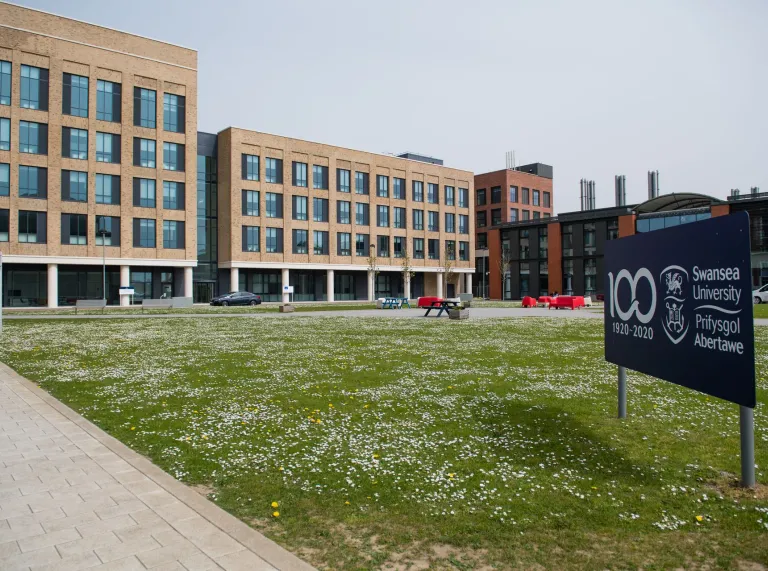

Elsewhere, Swansea University, in West Wales, has a long-established relationship with the Kids Research Institute Australia, with the two organisations working together on a number of data-science projects focused around health outcomes in children. Such initiatives include the BEACHES Project, which looks at how architecture and city planning decisions impact children’s health and wellbeing.
A love for lamb
When it comes to food, Aussies may be known for enjoying a “shrimp on the barbie” (as the 1980s tourism advert famously proclaimed), but, in reality, it seems most would prefer a nice bit of lamb.
Both Wales and Australia have a long history of sheep farming, which has been practiced in Wales, in one form or another, since the Neolithic Age, and was introduced to Australia by the British in the 18th century.
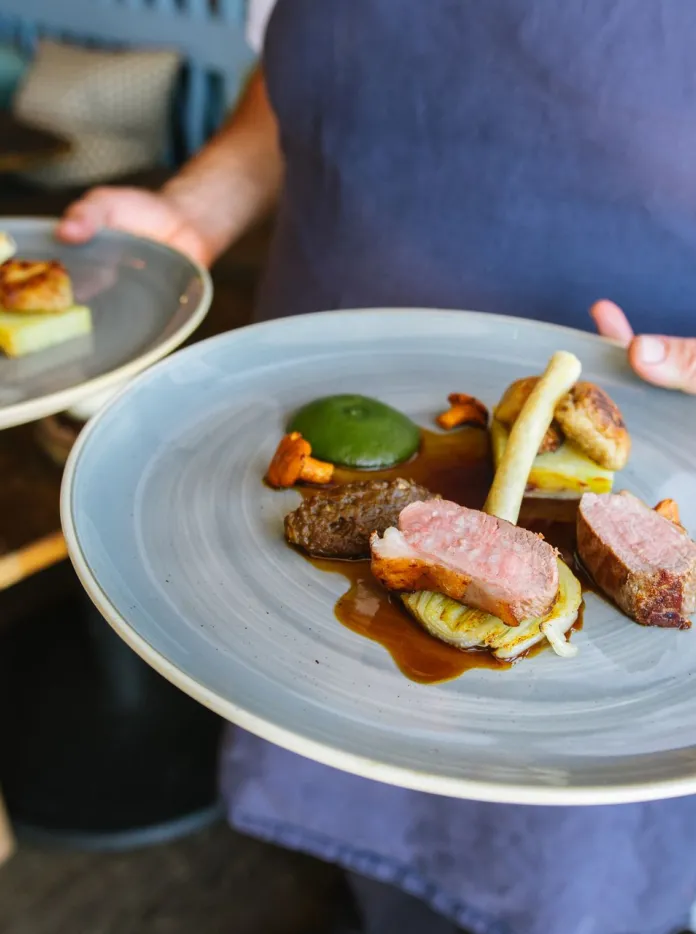
This long heritage of raising sheep is seemingly reflected in both nation’s collective appetites, with cawl, a hot soup consisting of lamb, leek and potato, considered one of the national dishes of Wales, while roast lamb consistently ranks highly among Aussies’ favourite dishes in national polls.
As for BBQs, the Welsh share the Australian enthusiasm for a good outdoor cookout – but sadly not the reliability of good weather…