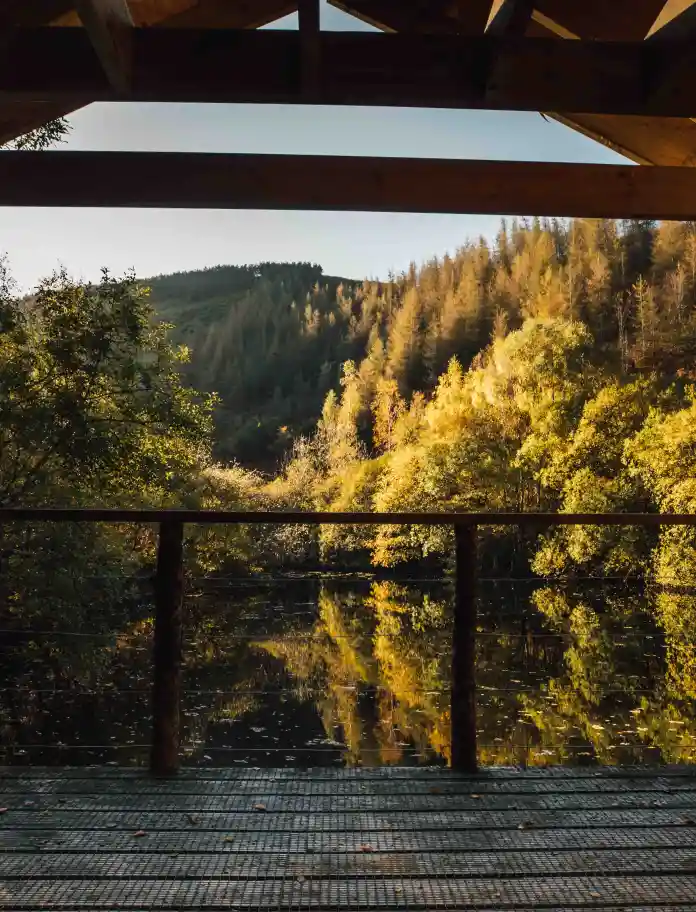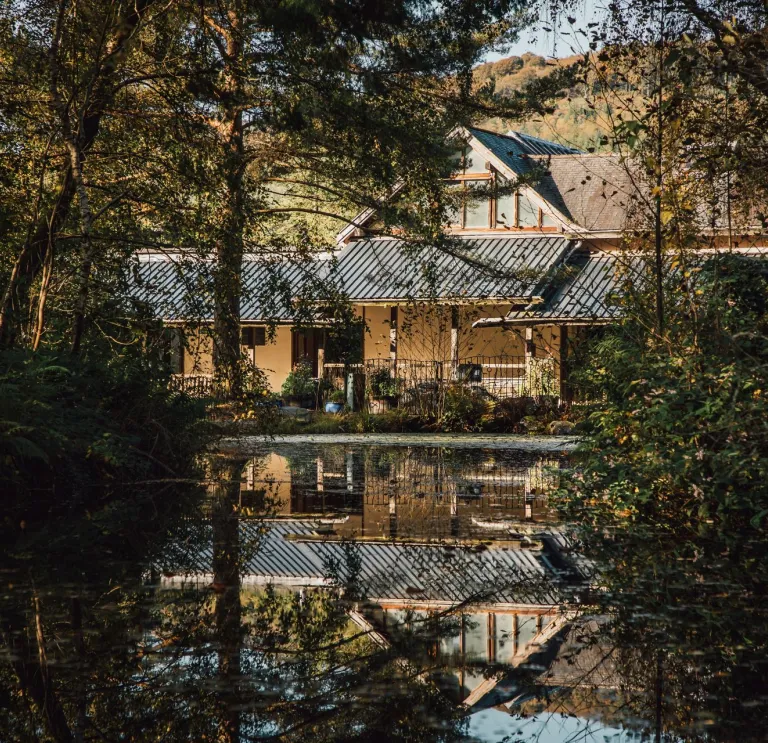
CAT’s annual Conference is one of the highlights of our year
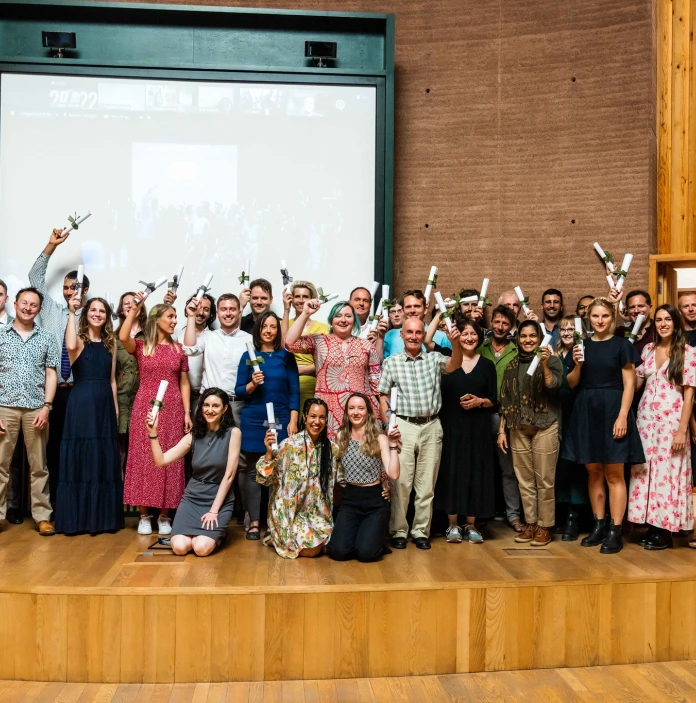
We host CAT members and students from across the country for a weekend of talks, tours and workshops exploring how we can respond to the climate and biodiversity challenges of our time.
CAT’s 50 plus year legacy is a crucial reason we have such an extensive network of members and supporters. Our community is comprised of tens of thousands of people from all walks of life who have studied at CAT, attended a short course or been part of a visit to us over the years. The conference brings together people from this community to hear the latest information from keynote speakers, to share ideas and projects and to receive updates from CAT as an organisation.
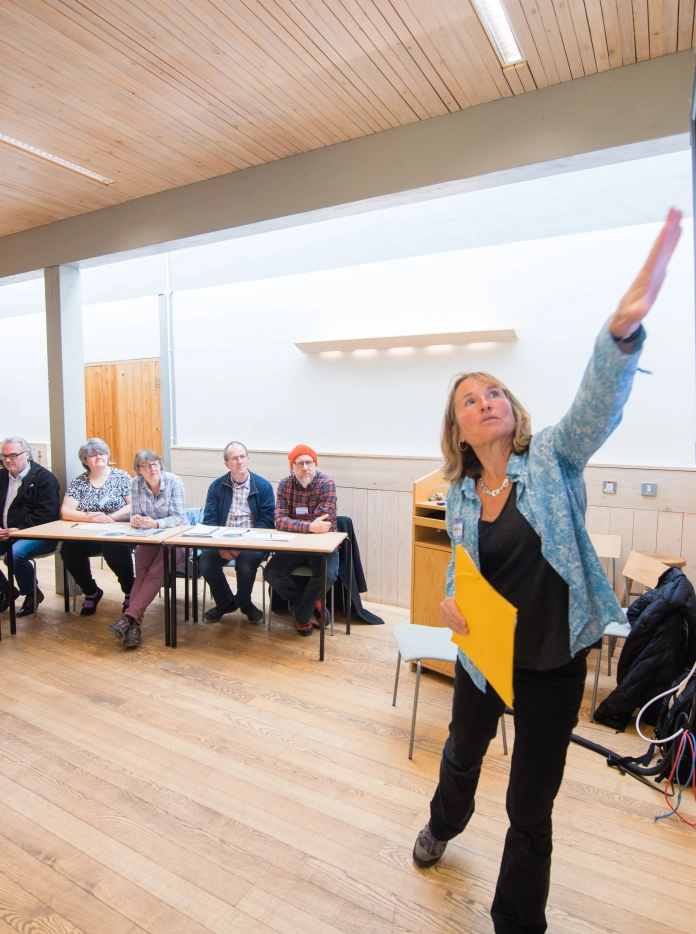
The theme of this year’s conference was courage, connection, and practical hope, and to help bring this theme to life, we shaped the programme broadly around Joanna Macy’s spiral of the work that reconnects. This approach allowed participants to go through a meaningful journey from gratitude and ending in action.
A big highlight from the weekend was the screening of the People’s Emergency Briefing. Hosted by the Chair of the UK National Emergency Briefing Mike Berners-Lee, we welcomed members of CAT’s local community to join conference attendees for the screening of a lengthy reflective discussion.
The next CAT Conference takes place 20 to 22 August 2027 and you can find out more about the conference on our blog.
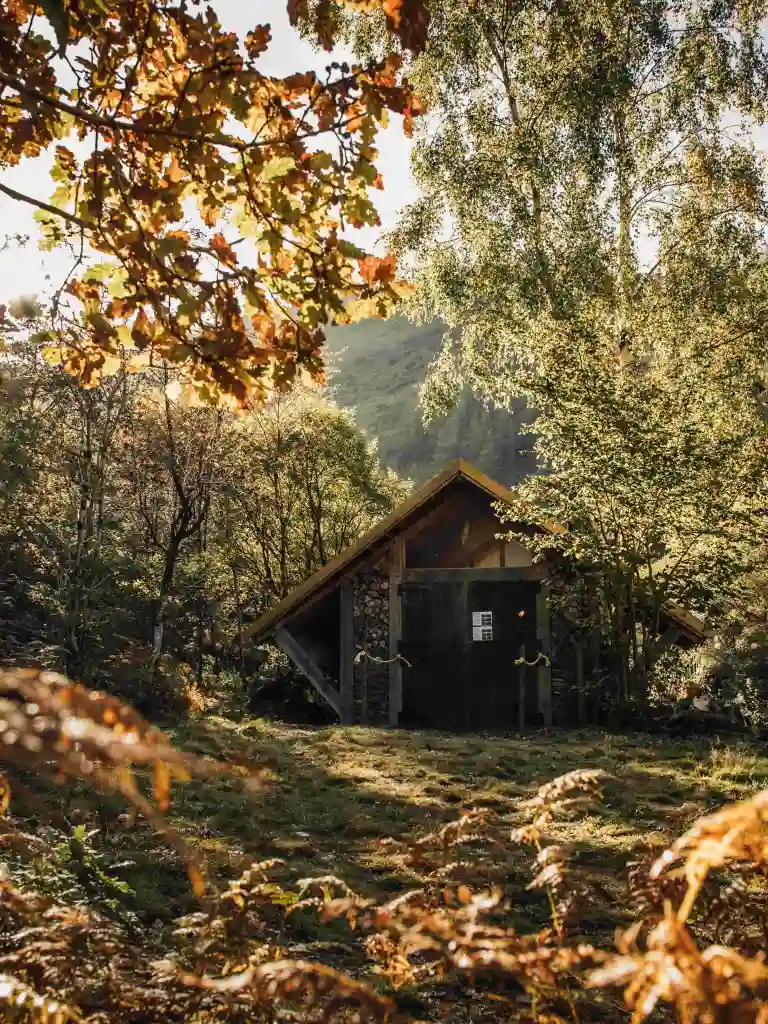
We’ve been going through some changes recently
Like the majority of charities and education institutions, the past few years have been very challenging. As a charity, CAT relies heavily on our amazing and generous supporters, but we also rely on our income generated through our Graduate School for the Environment, our short courses, our groups visits and our training. Just like everyone else, we are seeing our key audiences have less spending power. Schools are struggling to pay for trips, the entire higher education market is seeing significant reductions in applications across the board and individuals have less to spend on learning new skills and starting new projects.
Although times have been challenging and remain so for the next period, CAT is in an exciting period of change. We have a new and forward-looking strategy being developed and set to be published during the summer, we have a significant capital development project working on securing funding that will transform the CAT site and are in the process of launching a very exciting funded project to support communities across Wales to take climate action.
We’re still developing our educational mission
We are excited to be launching a number of new MSc postgraduate programmes for 2027. Regularly reviewing and updating our course portfolio ensures that our sustainability programmes remain relevant, responsive to emerging industry needs, and aligned with the interests of prospective students. By introducing new areas of study and enhancing existing provision, we can continue to offer graduates the knowledge, skills and expertise needed to thrive in a rapidly changing world, while ensuring our postgraduate offering remains innovative, competitive and attractive to future learners.

We’re also working on other important projects
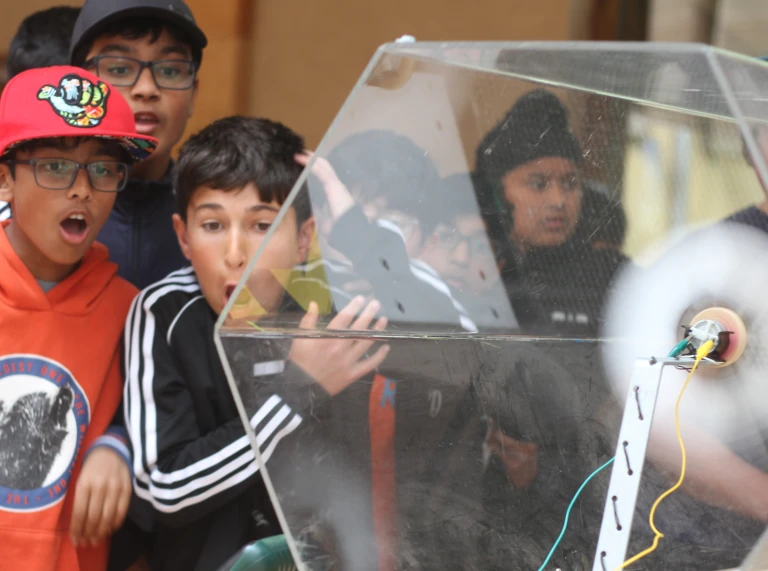
We’re excited to be launching a major new three-year project called ‘Troi’r Llanw / Turning the Tide’. Funded by the National Lottery Community Fund, the project aims to normalise community-led climate work, ensure marginalised voices shape environmental decisions, and help people feel empowered in the face of the climate crisis. CAT is leading the project, working in partnership with a host of amazing organisations from across Wales including Cwmpas, Youth Cymru, Mentrau Iaith Cymru, and Ethnic Minorities and Youth Support Team Wales (EYST).
We gave Members of the Senedd for Gwynedd Maldwyn, Siân Gwenllian MS, Elwyn Vaughan MS and Mabon ap Gwynfor MS an update on ‘Troi’r Llanw/Turning the Tide’ when they visited CAT on Friday 17 July.
CAT and organisations like it have a vital role to play in the transition to a more sustainable society
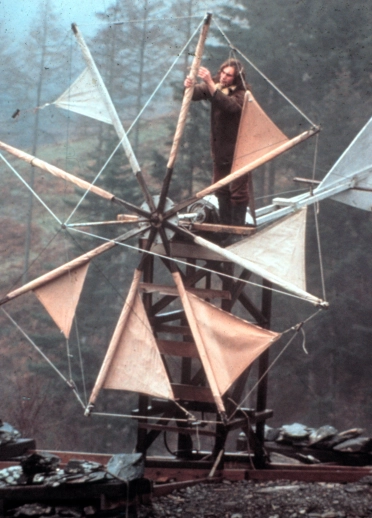
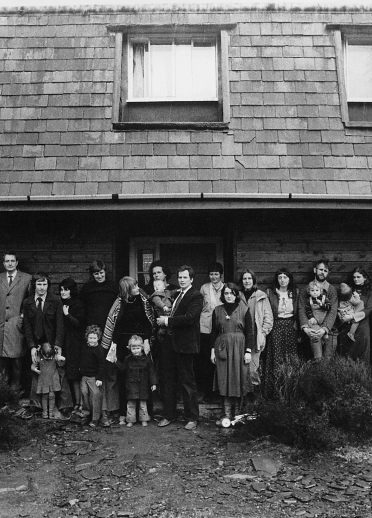
Since CAT came into existence in 1973, it has consistently had a powerful impact on the UK’s ambition, vision and ability to respond to our changing climate. From early renewable energy innovations through to creating the UK’s first ever alternative energy strategy, CAT’s early years were extremely important for pioneering innovative technologies alongside supporting people to strive for doing things in a more sustainable way.
Today, we welcome thousands of learners every year, giving them the knowledge and confidence to make a tangible difference in the world. By supporting this growing network of students, graduates, and professionals, we see these positive changes ripple outward. They take what they learn here and build it directly into their careers, community projects, and wider systems.
CAT is unique in its history, breadth of scope and our practical immersive approach to learning. However, now that sustainability related issues form such an important part of education provision for so many providers, CAT is now part of a significant movement for change, supporting our economy to be filled with the skills needed for a rapid transition to a sustainable future.
There is a really strong link between our own journey and the broader Welsh story of innovation
Historically, Wales was at the absolute heart of the Industrial Revolution, a period that was undeniably extractive and destructive to the natural world, but also one that was hugely innovative, resilient, and inspiring in its ambition. Welsh innovation foresight continues in modern history with Wales becoming a global leader in sustainability through the pioneering Wellbeing of Future Generations Act, a global first in legislating for long-term thinking and embedding the UN's Sustainable Development Goals into national law.
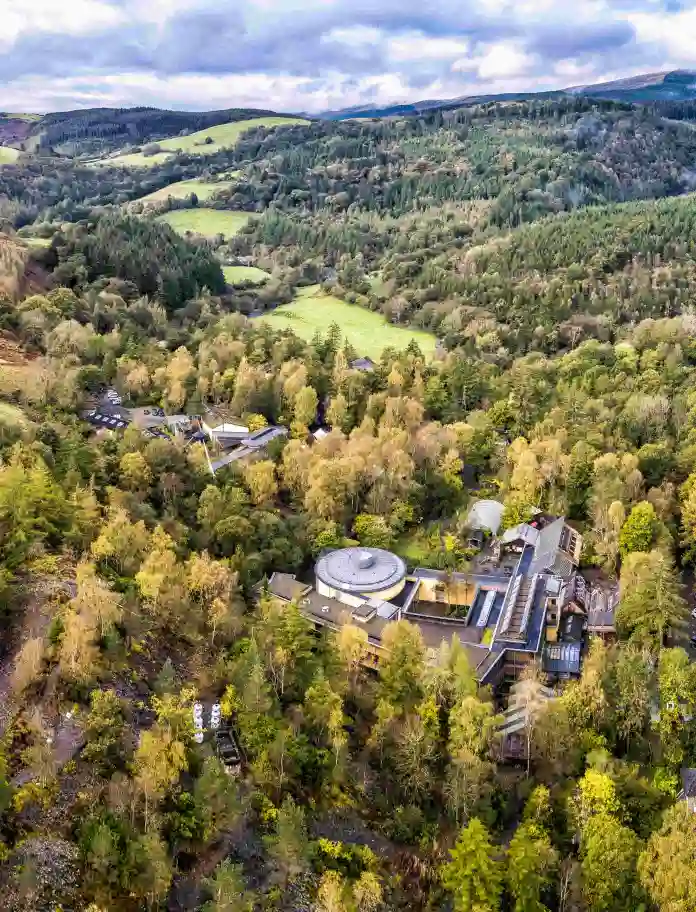
CAT's home in Llwyngwern Quarry follows that exact same narrative. Once a slate quarry that spent decades taking from the land and leaving behind a pile of rubble, we took that industrial brown-field site and repurposed it into a living testbed for regeneration, showing how human ingenuity can heal the landscape rather than harm it.
Being based in a country that legally protects the interests of the future means our work at CAT isn’t isolated but instead our mission, our focus on systems-thinking, and our practical approach directly mirrors and supports this wider Welsh movement.