When Welsh academic Ifan ab Owen Edwards created the Urdd Gobaith Cymru Fach (roughly translated into English as “The Small League of Welsh Youth”) in 1922, his primary aim was to protect the Welsh language by giving children in Wales a greater opportunity to speak their native tongue with other young people.
Over one hundred years later, the Urdd Gobaith Cymru has grown in size – evidenced by the fact the term ‘fach’ (small) has been dropped from the name – and ambition. While the organisation still strives to safeguard the Welsh language, it has now set its sights on protecting the entire planet, penning a unique appeal for world peace on behalf of Welsh children each year.
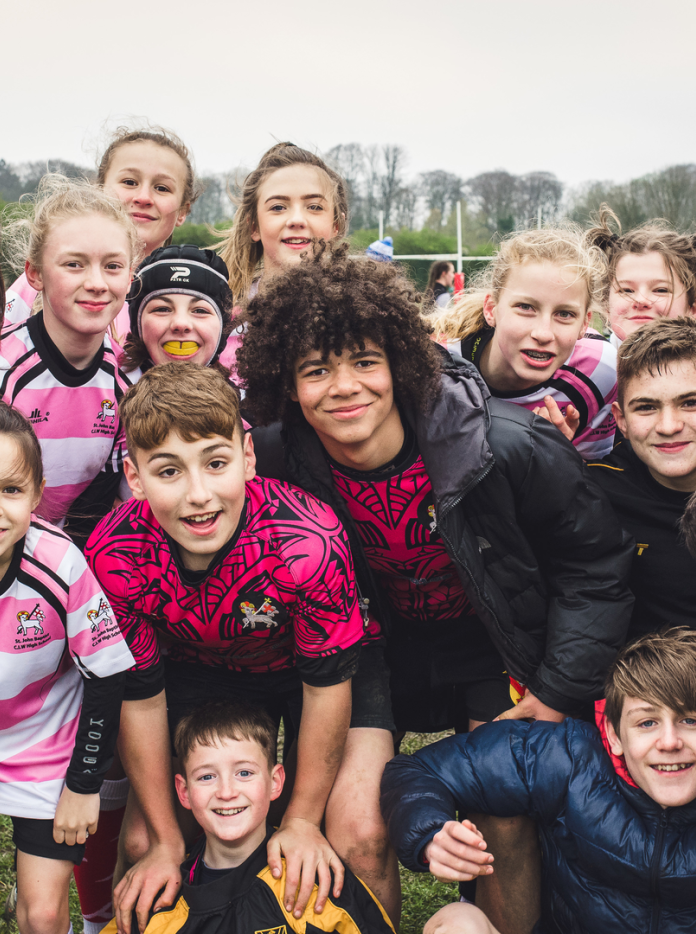
Alongside this, the modern iteration of the organisation also runs sports clubs, manages residential centres and generates work opportunities. These initiatives have the ability to transform the lives of young people in Wales – as the organisation’s former president, Mared Edwards, can attest.
‘The list of opportunities the Urdd has given me is endless,’ says Mared Edwards, who served as the president of the organisation from 2021-23. ‘Growing up, I was shy and kept myself to myself, but the confidence I've developed, thanks to the Urdd, has shaped my future.’
It’s clear that the Urdd is no ordinary youth organization. Here’s an insight into how the pioneering group was created and the work it does to support the children of Wales today.

When did the Urdd start?
Though Sir Ifan ab Owen Edwards was the founder of the Urdd, the idea for a youth organisation based around the Welsh language stemmed from his father, Owen Morgan Edwards, who believed such a group could counteract what he viewed as the growing Anglicisation of Wales.
Ifan, who was knighted in recognition of his voluntary work for the youth of Wales in 1947, shared this anxiety, writing that ‘in many villages, and in most towns in Wales, children play and read in English. They forget that they are Welsh.’
Though his father had previously attempted to create several Welsh language youth groups without success, Ifan was determined to bring the idea to life. In a 1922 edition of the Welsh-language children’s magazine ‘Cymru’r Plant’, Ifan advertised his new club: “Urdd Gobaith Cymru Fach”. This time, the response was positive, so much so that letters from enthusiastic young readers wishing to join the organisation were said to have overwhelmed the team responsible for printing the magazine in Wrexham.
The first local Urdd branch opened its doors in the county of Flintshire that same year, providing a space for young people to meet and socialise in Welsh. Within five years, the organsiation had 80 local branches around the country, and boasted 5000 members.
Today, that number has grown to more than 55,000, but the club’s appeal, says Mared, remains the same as it was 100 years ago.
‘Though today the Urdd is Europe's largest youth organisation, the ethos established in 1922 is just as strong today – simply, enjoy a wealth of opportunities through the medium of Welsh while remembering to give something back to the community.’
A message of unity
While giving back to the community is a cornerstone of the Urdd’s message, the organisation also gives something to the world every year on 18 May.
The Peace and Goodwill Message was created in Wales in 1922 (the same year the Urdd was established) by the Welsh Baptist minister Gwilym Davies. Mr Davies, who was involved in the League of Nations (the precursor to the UN), wanted to send a message of goodwill from the children of Wales to young people around the world, creating a sense of connectivity that spanned national borders.
The message has been broadcast every year since, even during times of war. Responses have come from around the world, including a poignant reply written on behalf of the children of Germany in the aftermath of the second world war. It read, ‘It is years since we have heard from the Welsh Children. How it grew dark! We should like to hear from you again’.
The Urdd’s founder, Ifan ab Owen Edwards, was a strong believer in the positive impact of the yearly message, and in the 1950s the organisation was given responsibility for its production and transmission. The organisation consults with school children on an annual theme, with topics ranging from the atomic bomb, refugees, poverty, war and violence and the climate crisis. Originally sent via morse code, before moving to radio transfer, the message is now posted on the Urdd’s social media channels, where it is translated into 50 languages, including Cornish, Nepali, Serbian and Thai.
In 2025, the unique, long-running initiative received the patronage of the UK's National Commission for UNESCO – the first ever project in Wales to do so.
Having some fun
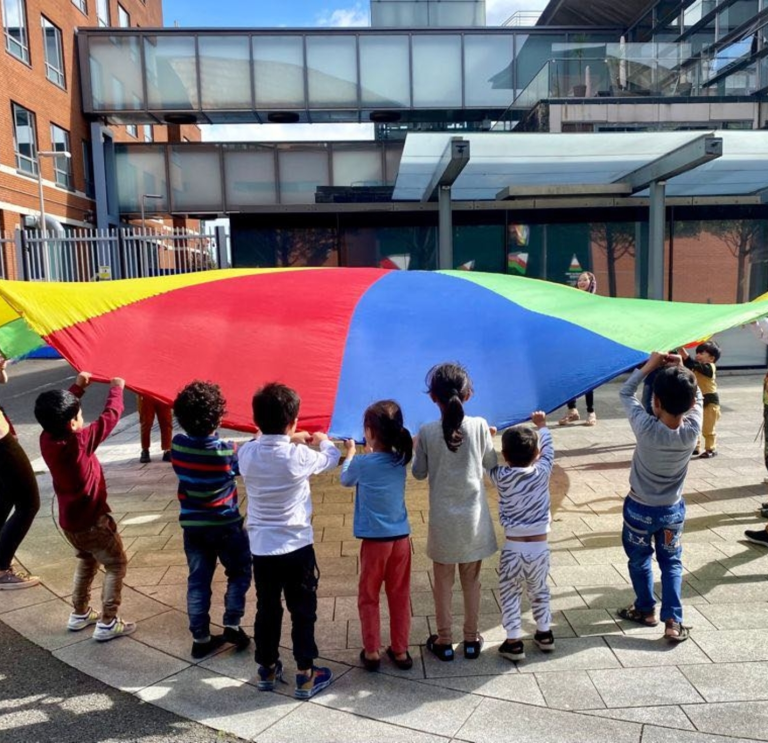
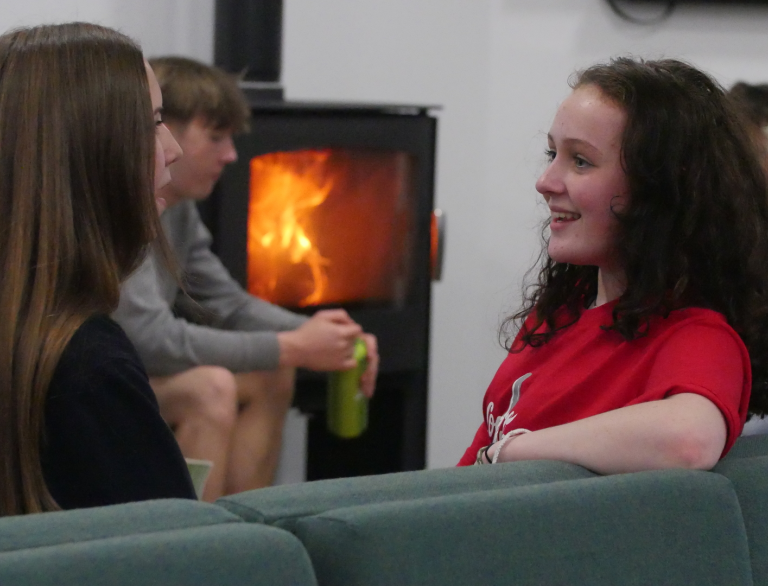
For all the heavy talk of international co-operation and language preservation, the Urdd is, at its heart, all about providing opportunities for young people in Wales to have fun, meet new people and gain new life skills.
The organisation runs sports clubs and competitions, from swimming to skateboarding, right around Wales, granting people a chance to dip their toe into new activities and stay healthy. It also runs youth clubs, organises cultural outings (to cinemas or theatres, for example) and oversees weekend-long events based around specific skills or vocations, like songwriting and music recording.
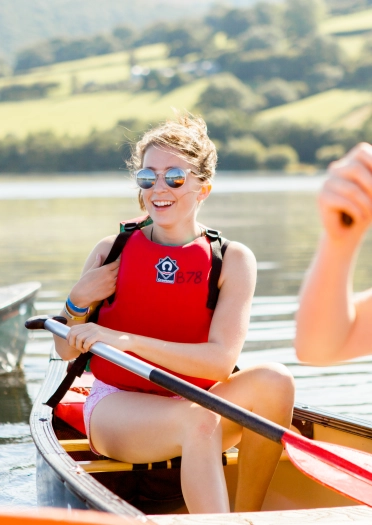
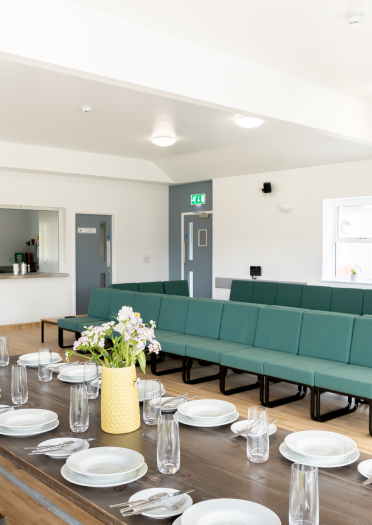
Many events take place at the Urdd’s four dedicated residential centres. These are open to all – be it families or groups of friends – who are looking for adventurous experiences in some of Wales’ beautiful locations, from the Ceredigion coast to the shores of Llyn Tegid, as well as offering an opportunity for city breaks with its Cardiff Bay venue. One of the centres, in Pentre Ifan, Pembrokeshire, is Wales' first environmental camp. The site, which opened in 2023, functions as a digital escape, where young people can connect with their environmental and cultural landscape, and get to experience a more sustainable lifestyle.
Then of course there’s the annual Eisteddfod yr Urdd, a roving festival of Welshness that gives young people the opportunity to compete in disciplines like singing, dancing and even cooking – as well as enjoying a weekend of music, fun and frivolity with friends. Like the primary Eisteddfod (for adult competitors) the festival moves to a new site in Wales each year.
As an organisation the Urdd may already be pushing the limit on what a modern youth group can be, but according to Mared, the organisation is continually evolving and growing in new directions.
‘I am proud to be part of a team driving the Urdd into the future, which now counts over half of its members from non-Welsh speaking homes,’ she says. ‘Whether it's using the residential centre in Cardiff to house refugee families from Afghanistan or organising conferences calling for equality for women in sport, the Urdd is racing on into the next century, and breaking down all barriers along the way.’
Follow the Urdd: